• Submit
  • Submit
  • Submit
  • Submit

Statistics is the branch of mathematics that helps us:

collect, organise, analyse, and interpret data

so we can understand patterns and make better decisions.
It’s essentially the toolkit we use when we want to turn raw information into meaningful insight.

Good data collection = good conclusions. Poor data collection = misleading results
Data collection is the process of gathering information in a structured, reliable way so you can analyse it and make decisions
It’s the bridge between collecting data and doing something useful with it.
Data organisation is the process of arranging collected data into a clear, logical structure so it can be analysed accurately and efficiently
It turns organised data into insight.
Data analysis is the process of examining, cleaning, transforming, and interpreting data to discover patterns, answer questions, and support decisions.
- Insight = the meaningful message hidden in the data
- Interpretation = explaining what that insight means for decisions, actions, or improvement
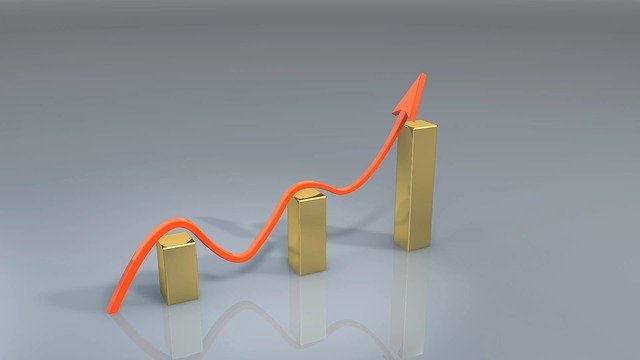
business-163464_640
Science of Uncertainty
grid-8.jpg
from data
Technology of extracting information
from data
from samples and populations
Descriptive Statistics
Involve methods of organizing, picturing and summarizing information
from samples and populations
from a sample to draw conclusions about the population
Inferential Statistics
involves methods of using information
from a sample to draw conclusions about the population

Population ParametersSample Statistics

A population is a group of peple or objects
with a common theme
When every member of the group is considered
It is a population
A small portion of the population
is a sample
Can be a representative sample
or a biased sample
Data from every individual
is available in population data
Entire population
Census
Sample data is only available from
some of the individuals in the population

© Vincent Chido King - Master Black Belt L6S

2026